
 About Us


Noise
A
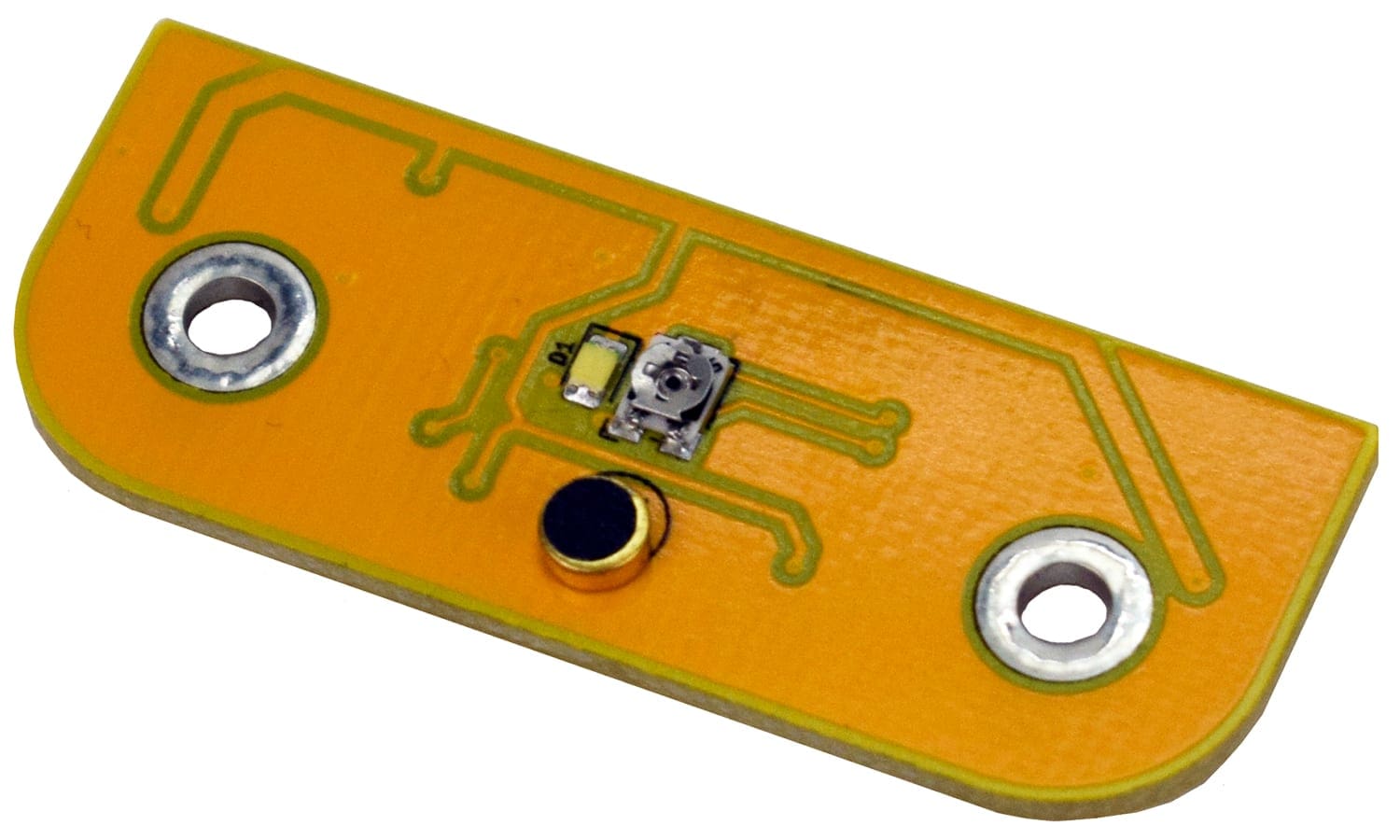
Once attached, you can instruct Marty to respond to the noise however you like. For example, you could make Marty clap-activated. So every time you double clap, Marty will perform his famous wiggle dance!
Let your learners dive into the world of noise sensors and try our fun and interactive initial noise sensor lesson: Noise Sensors and Parallel Programming.
Colour
The colour sensor is a type of photoelectric sensor which emits light from a transmitter and then detects the light reflected back from the detection object using a receiver. As the name suggests, this sensor will detect colour and will help Marty distinguish between 5 different colours: purple, blue, green, yellow and red. This sensor can be used in Scratch or in ‘screen free mode’, which can be activated by pressing the ‘A’ button on the back of Marty’s head.
Whenever Marty detects a certain colour while in ‘screen free mode’ he will respond with a pre-programmed instruction:
Purple = Right Slide
Blue = Left Slide
Green = Forward
Yellow = Backward
Red = Stop & Dance
The colour sensor can also detect when there is no colour. Therefore, if Marty doesn’t sense any of the five colours while in ‘screen free mode’, he won’t perform any actions.
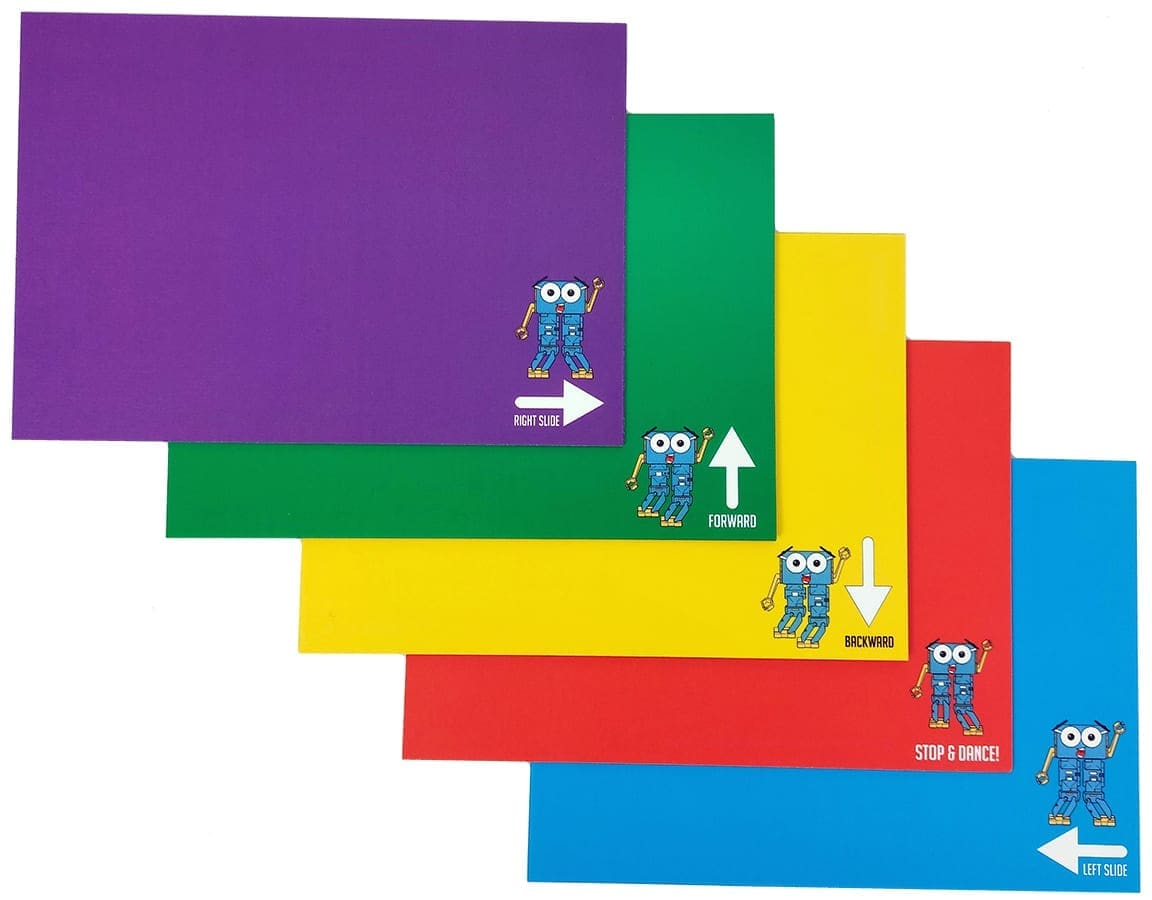
Once you have your cards, your creativity can flow, and you can set up a fun route for Marty to follow! This is the perfect way to introduce young children to coding, as they will learn to sequence commands before progressing to more advanced languages, like Scratch and Python.
Light
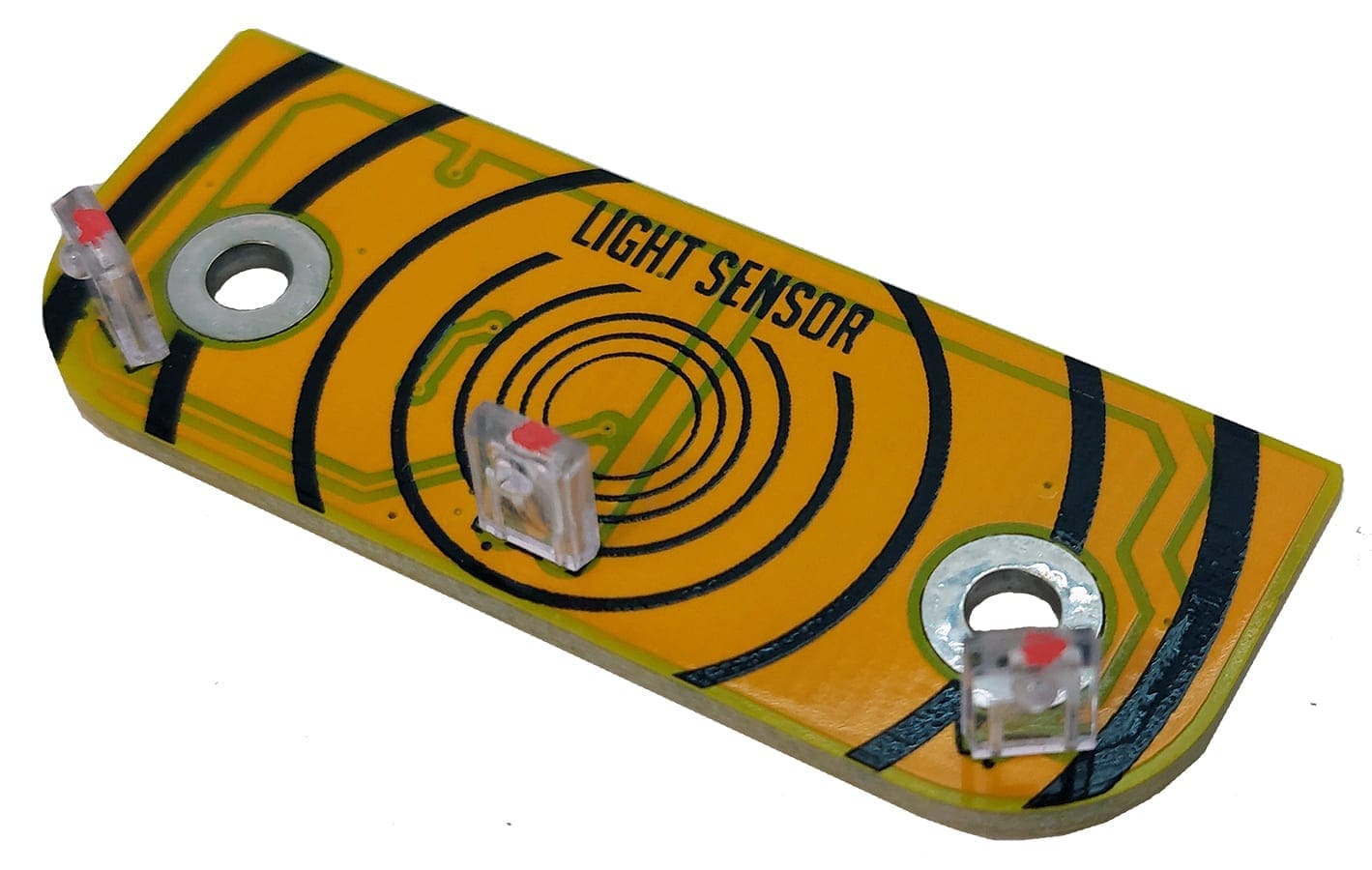
The light sensor is designed to fit perfectly on either of Marty’s feet and can be used to improve Marty’s vision and responsiveness. This sensor will allow you to program Marty to respond to light and, for example, code Marty to make a noise when the lights turn off.
If light sensors interest you, why not try one of our light sensor lessons: Light sensors and Conditional Statements and Light sensors with Function Blocks.
Distance
Marty’s Distance sensor works by outputting a signal (infrared light) and then interpreting how the light has altered on its return. The distance sensor detects and interprets an object through changes in the light intensity of the returned signal or the time taken for the light to return.
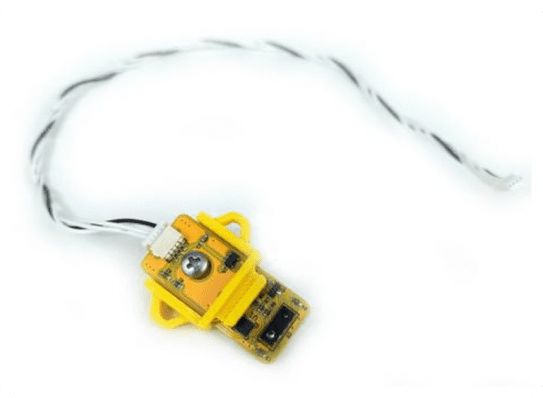
The Distance sensor can be attached under Marty’s face and, through either Scratch or Python, Marty can be programmed to react differently to changes in distance between Marty and an object. Just as car parking sensors help drivers understand how close the car is to a wall when reversing, so too Marty can now detect how close he is to a wall when walking!
Why not take the distance sensors on a test drive and try out our distance sensor lesson which 罕见精品一线天白馒头s learners to consider how they would use this sensor on their Marty.
Disco Lights
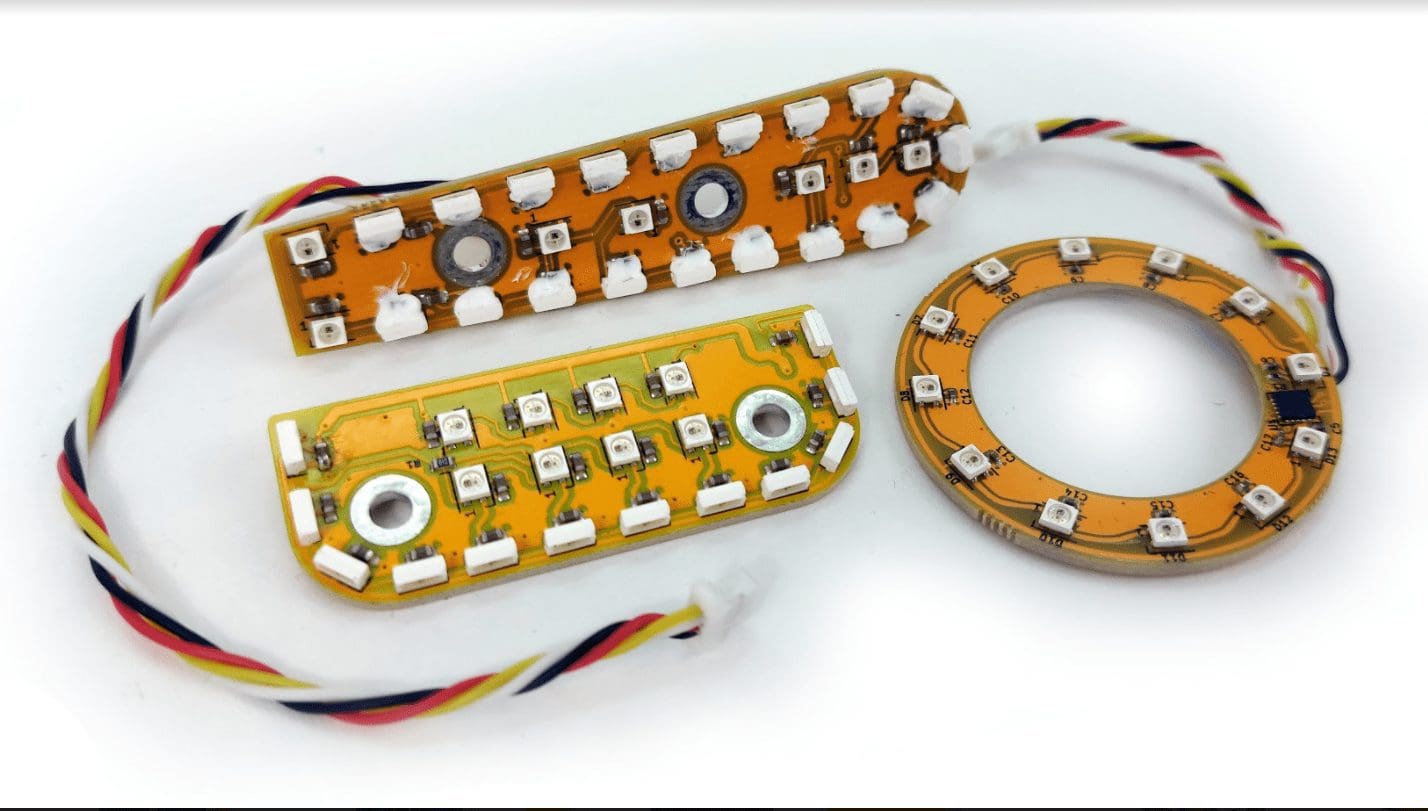
The last, but certainly not the least fun, type of Marty add-on is the brilliant disco lights. Add some colour to Marty with our LED add-ons which can be purchased in the form of disco eyes
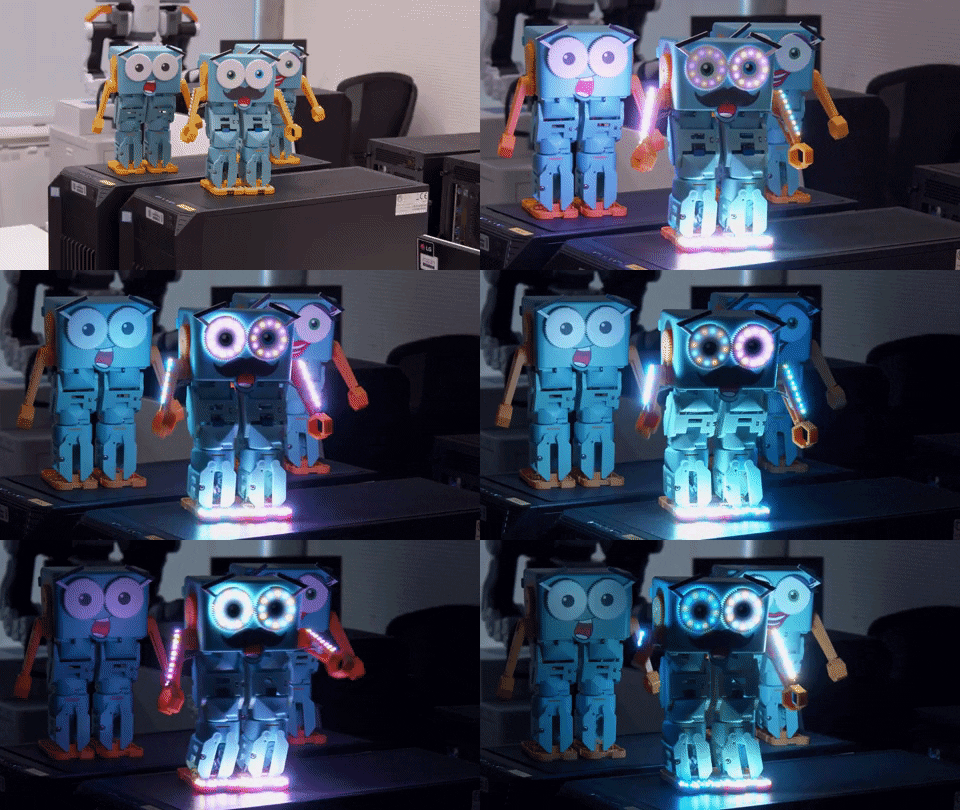
A light-emitting diode (LED) is a semiconductor device that releases light when electric current passes through it. Light is created when the electrons and holes merge together within the semiconductor material.
Different semiconductor materials produce different colours of light, meaning you can mix and match your colour options. You can program Marty using Scratch and Python and can use different colours as reactions. Why not give Marty red eyes on Valentine’s day?
What are you waiting for? Dim the lights, cue the music, and set Marty’s entire body to disco mode. Who better to do a robot dance than the expert!

Other posts you may like
How to Teach Your Kids to Code
Perhaps your kids have already tried a micro:bit in class or started coding with Scratch in an after-school club. If they are showing an interest in coding, continuing that learning...
Why is AI Literacy Important?
As we mark AI Literacy Day, it is worth asking a crucial question: why does AI literacy matter so much for today’s students? It's a fundamental part of the digital...
Why Probeware Matters in Science Education
In today’s classrooms, hands-on learning is essential. Students learn best when they can see, measure, test, and experience concepts directly. That’s where probeware comes in. By giving learners the tools...
TRY MARTY
FOR FREE
Are you looking for new STEM 罕见精品一线天白馒头 for your classroom? 情欲电影 are loaning Marty the Robot to schools for no-obligation, 2 week trials.